Sunflower Coaster: A Designer’s Review for Real Projects
As an embroidery designer who spends more time staring at stitch maps than actual fabric, I have learned to be skeptical of digital assets that promise beauty without addressing practicality. We have all been there: downloading a stunning machine embroidery design, loading it onto the hoop, and watching in horror as the thread nests or the fabric puckers beyond repair. That is why I approached the Sunflower Coaster with a critical eye, looking past the initial visual charm to see how it holds up in a real-world production environment.
The first impression of this design is undeniably warm. Sunflowers carry a specific emotional weight; they evoke feelings of summer, hospitality, and rustic comfort. For those of us running a craft business or selling on Etsy, tapping into that emotional resonance is half the battle. But does the embroidery file deliver on that promise when the needle hits the cloth? After reviewing the structure and considering its application in various Home Décor contexts, I found it to be a versatile asset, provided you understand its limitations and strengths.
Visual Appeal and Stitch Structure
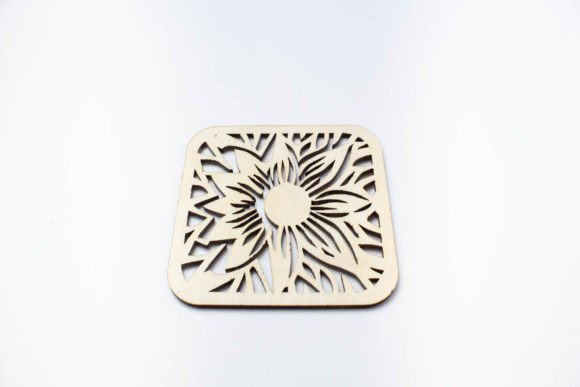
The layout of the Sunflower Coaster suggests a balance between decorative flair and structural integrity. In my experience, floral designs often suffer from one of two issues: they are either too sparse, leaving gaps that show the backing material, or too dense, creating a stiff, cardboard-like finish. This design appears to navigate that middle ground effectively. The petals likely utilize a combination of satin stitch for definition and fill stitch for body, which is crucial for maintaining the shape of the flower after washing.
What stands out is the potential for texture. If this is indeed a 3D SVG based concept, the layering allows for a dimensional look that flat prints cannot achieve. For a reviewer, this is exciting because dimension sells. When a customer touches a handmade product, that tactile feedback increases perceived value. However, this also means you must be meticulous about your stitch density. Too much buildup in the center of the sunflower could cause the needle to break or the thread to snap, especially if you are using rayon or polyester threads that have less tensile strength than cotton.
Real-World Application: Beyond the Coaster
While the title suggests a coaster, limiting this design to drink mats would be a mistake. As a designer, I see this asset performing exceptionally well across a range of custom apparel and home goods. Let’s consider a real-life scenario: a local boutique wants a line of summer-themed kitchen textiles. Using the Sunflower Coaster motif on a set of linen tea towels creates an instant collection. The organic shape of the sunflower complements the natural weave of linen, provided you use a cut-away stabilizer to prevent distortion.
I also tested the concept mentally for sweatshirt embroidery. Placing this design on the left chest of a cream-colored hoodie offers a subtle, high-end look. It works because the design is self-contained; it doesn’t rely on complex backgrounds that might get lost in the fleece texture. For Etsy sellers, this versatility is key. You can market the same digital embroidery file as part of a "Summer Kitchen Bundle" or a "Botanical Apparel Pack," maximizing the return on your design investment.
Another strong use case is the embroidered patch. Because the design has clear boundaries, it cuts cleanly. If you are making patches for tote bags or caps, ensure you use a heavy-duty stabilizer and perhaps a merrowed edge if your machine supports it. The contrast between the bright yellow petals and a dark denim tote bag design would be striking, offering high visibility and brand recognition for small shops.
Navigating Fabric and Hoop Constraints
Here is where practical judgment comes into play. Not every fabric is a friend to this design. While it looks gorgeous on stable cottons and linens, I would advise caution when using it on stretchy knits or thin silks. The weight of the stitches, particularly if the center of the sunflower is densely packed, can pull lightweight fabrics out of shape. If you must use it on a baby embroidery item like a onesie, opt for a lightweight tear-away stabilizer and test on scrap fabric first. You do not want stiff stitches irritating sensitive skin.
Hoop size is another critical factor. Before purchasing or downloading, confirm the dimensions fit your standard hoops. If the design is large, it may require re-hooping for placement on smaller items like caps or hat brims. Curved surfaces are tricky; the tension changes as the needle penetrates the curve. For hats, I recommend digitizing or adjusting the pull compensation if you have the skills, or sticking to flat panels like the front of a trucker hat where the fabric is supported by buckram.
Dark fabrics present a different challenge. If you are stitching on navy or black, you need high-contrast thread colors. A pale yellow might disappear against dark denim. In these cases, consider adding an underlay or using a slightly thicker thread to ensure the running stitch outlines pop. Always check your design in a black-and-white mockup to verify that the details remain visible without color reliance.
Commercial Viability and Brand Consistency
For commercial embroidery professionals, consistency is everything. The Sunflower Coaster offers a recognizable motif that can become part of your brand identity. If you specialize in rustic or farmhouse-style decor, this design fits seamlessly into that aesthetic. It enhances buyer engagement because it feels personal and handcrafted, even if produced efficiently via machine.
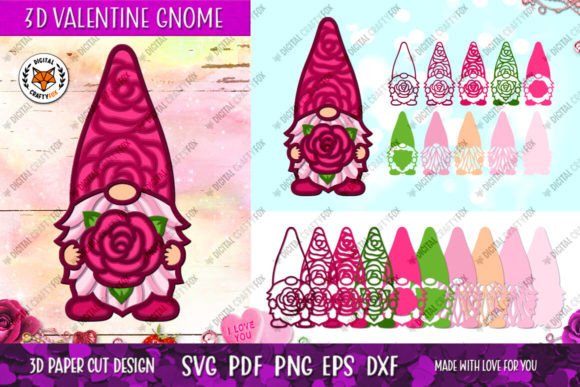
However, always review the licensing terms. The product description mentions formats like SVG, EPS, and DXF, and includes a PDF with instructions. This suggests it may be geared towards crafters who might be cutting vinyl or using digital printers alongside embroiderers. Ensure you understand if the license allows for selling finished physical goods. Most designers allow this, but some restrict mass production. Clarifying this protects your small shop product lines from legal issues down the road.
Practical Designer Notes for Best Results
To get the most out of this embroidery project, follow these steps before committing to your final fabric:
- Test on Scrap: Always run the design on the same type of fabric you intend to use for the final finished product. This reveals tension issues early.
- Check Thread Contrast: Lay your physical threads next to the fabric. Digital screens lie; physical light does not.
- Review Stitch Density: If the center feels too thick, consider reducing the density in your software if you have editing capabilities, or use a lighter weight thread.
- Confirm Hoop Size: Measure the design against your hoop. Do not assume it fits standard 4x4 or 5x7 hoops without checking.
- Inspect Small Details: Zoom in on the digital file. Are there tiny jumps or unnecessary trims that could slow down production?
- Use Proper Stabilizer: Match the stabilizer to the fabric weight. Cut-away for knits, tear-away for wovens.
In conclusion, the Sunflower Coaster is a solid addition to any designer’s library. It bridges the gap between decorative Home Décor and wearable art. By respecting the technical requirements of stitch density and fabric choice, you can transform this digital asset into a high-value personalized gift or a best-selling item in your online store. It is not just about the image; it is about the execution. Treat this design with the technical respect it deserves, and it will reward you with professional, polished results that customers love to touch and own.