Go Explore Shadow Box 3D: A Designer’s Review
As an embroidery designer who has spent years translating digital concepts into tangible, stitched realities, I approach every new machine embroidery design with a mix of curiosity and skepticism. We have all been there: downloading a file that looks stunning on a screen but turns into a puckered mess or an indistinguishable blob once the needle hits the fabric. Today, I am taking a close look at Go Explore Shadow Box 3D, a piece that promises depth and dimensionality. While the product description highlights its compatibility with cutting machines like the Cricut Maker 3 and its nature as a 3D SVG, my focus is strictly on how this aesthetic translates to the embroidery hoop and, more importantly, how it performs in real-world commercial and personal projects.
First Impressions: Mood and Visual Personality
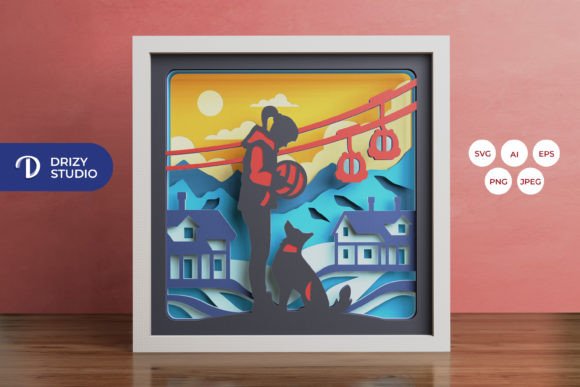
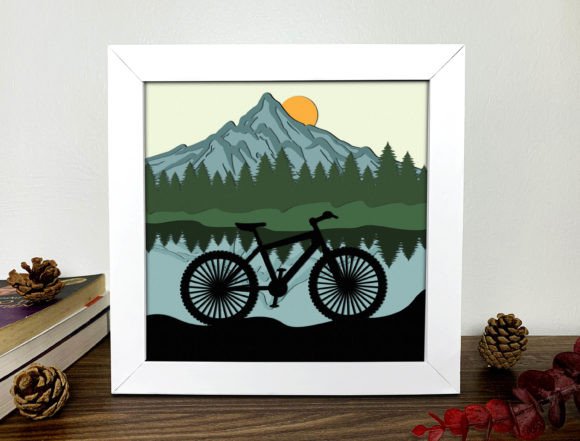
The first thing that strikes me about Go Explore Shadow Box 3D is its adventurous spirit. The layout suggests movement and discovery, which immediately brings to mind outdoor-themed apparel, travel gear, and rugged lifestyle products. In the context of Shadow Boxes, we are usually talking about layered paper crafts, but in embroidery, this "shadow box" effect implies a need for careful layering of stitch types to create perceived depth without actual physical layers of fabric. The visual personality is bold yet inviting, making it a strong candidate for brands that want to convey a sense of wanderlust or active living.
For an Etsy seller or a small shop product creator, this mood is invaluable. It is not just a generic shape; it tells a story. When I visualize this design on a canvas tote or a heavy cotton sweatshirt, I see a product that appeals to hikers, campers, and families who love weekend getaways. The design does not scream for attention with excessive complexity, but it holds its ground with confident lines and a clear thematic focus.
Real-World Application: From Digital File to Finished Product
Let us move beyond theory and discuss practical application. Imagine you are preparing a custom order for a client who runs a boutique outdoor gear shop. They want a line of custom apparel featuring their logo alongside a thematic graphic. Go Explore Shadow Box 3D fits seamlessly here. I would likely place this design on the left chest of a heavyweight hoodie or centered on the back of a canvas tote bag design.
When working with such a theme, the choice of thread colors becomes critical. To maintain the "3D" illusion implied by the name, I recommend using varying shades of the same color family—for example, three distinct tones of forest green or slate blue. This technique mimics the shadowing effect found in traditional shadow box art. If you are creating a personalized gift for a father who loves hiking, pairing this design with his initials in a complementary sans-serif font can elevate the perceived value of the finished product.
For baby embroidery projects, such as a nursery decor piece or a soft blanket, the design might need scaling down. However, one must be cautious. The intricate details that look sharp on a large sweatshirt embroidery project can easily get lost or cause stitching issues on smaller items. Always consider the end user. A rugged design on a delicate baby onesie might feel disjointed unless the thread choices are softened to pastels and the scale is adjusted to fit the garment's proportions.
Navigating Technical Challenges and Fabric Choices
No design is universal, and Go Explore Shadow Box 3D is no exception. There are specific scenarios where this design requires careful handling. First, consider the hoop size. If you are working with a standard 4x4 inch hoop, you may need to split the design or significantly reduce its size, which could compromise the clarity of the finer details. For best results, I recommend using a 5x7 or larger hoop to allow the design to breathe and maintain its structural integrity.
Fabric texture plays a massive role in how this design renders. On smooth, tightly woven cotton or polyester blends, the stitches will lay flat and crisp. However, on textured fabrics like terry cloth towels or fuzzy fleece, the definition of the "shadow" elements may blur. If you are embroidering on a curved surface like a cap, you must ensure that the design is digitized with appropriate pull compensation. Without it, the design may distort, turning clean lines into wavy messes.
Another critical factor is stitch density. Designs that attempt to create 3D effects often rely on dense fill stitches. If the density is too high for the fabric you are using, you risk perforating the material or causing severe puckering. I always advise running a test stitch-out on scrap fabric identical to your final product. Use a quality stabilizer—cut-away for stretchy fabrics like t-shirts and tear-away for stable wovens like aprons or pillow covers. This step is non-negotiable for professional results.
Commercial Viability and Brand Consistency
For commercial embroidery professionals and craft business owners, the viability of a design hinges on its versatility and ease of production. Go Explore Shadow Box 3D offers strong potential for holiday embroidery collections, particularly for Father’s Day or back-to-school seasons where adventure themes are popular. It also works well for embroidered patch creation, provided the edges are finished with a clean satin stitch or merrowed border if you are adding one externally.
When listing this as a digital embroidery file or using it in products for sale, transparency is key. Ensure you understand the licensing terms. While the product description mentions compatibility with cutters, using it for embroidery requires confirming that the file format you possess (such as PES, DST, or JEF) is optimized for stitching, not just cutting. A file designed for a Cricut may not have the necessary stitch paths for an embroidery machine. Always verify the file type before purchasing or downloading.
From a branding perspective, this design helps build consistency. If your shop specializes in outdoor or travel-themed goods, incorporating Go Explore Shadow Box 3D into your design assets library allows you to create cohesive collections. You can pair it with matching fonts and complementary motifs to create a recognizable brand identity. Customers trust shops that present a curated, professional look, and high-quality embroidery contributes significantly to that trust.
Practical Designer Notes for Best Results
To ensure your next embroidery project with this design is a success, keep these practical tips in mind:
- Test on Scrap Fabric: Never skip this step. Check for puckering, thread breaks, and registration issues.
- Check Thread Contrast: Use a monochromatic scheme for a subtle 3D effect or high-contrast colors for a bold, graphic look.
- Review Stitch Density: If the design feels too stiff after stitching, consider reducing the density in your editing software if you have the skills, or choose a lighter weight fabric.
- Confirm Hoop Size: Ensure your machine’s hoop can accommodate the design dimensions without resizing it to the point of distortion.
- Inspect Small Details: Zoom in on your digitizing software to check for tiny jumps or unnecessary trims that could slow down production.
- Mockup Testing: Create black and white mockups to see if the design holds its shape without color reliance. This helps identify structural weaknesses in the layout.
- Licensing Verification: Before selling handmade products featuring this design, confirm that your license allows for commercial use of finished goods.
In conclusion, Go Explore Shadow Box 3D is a compelling addition to any designer’s library, provided it is used with an understanding of its technical requirements. It bridges the gap between digital precision and tactile craftsmanship, offering a versatile option for those looking to add a touch of adventure to their custom apparel and home decor lines. By paying attention to fabric choice, stabilizer selection, and thread coordination, you can transform this digital file into a standout handmade product that resonates with customers and elevates your brand.