Review: Spring Farm Village 3D Layered Paper Cut
As a designer who spends more time staring at stitch previews than actual fabric, I have developed a keen eye for what translates well from screen to needle. When I first opened the Spring Farm Village 3D Layered Paper Cut file, my initial reaction was one of cautious optimism. The concept of translating a paper-cut shadow box aesthetic into a machine embroidery design is ambitious. It promises depth and dimension, two qualities that are notoriously difficult to achieve without creating a dense, stiff puckering mess on your garment.
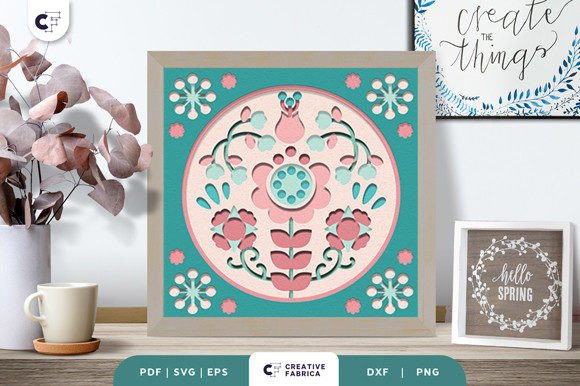
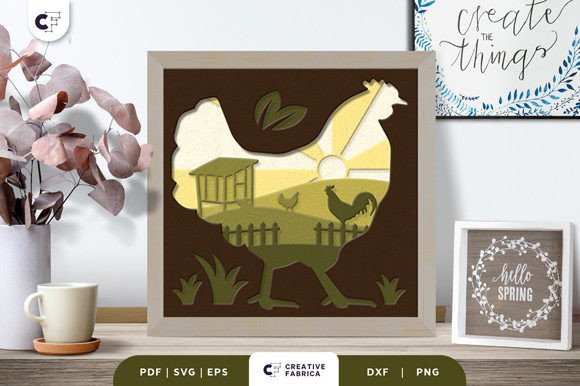
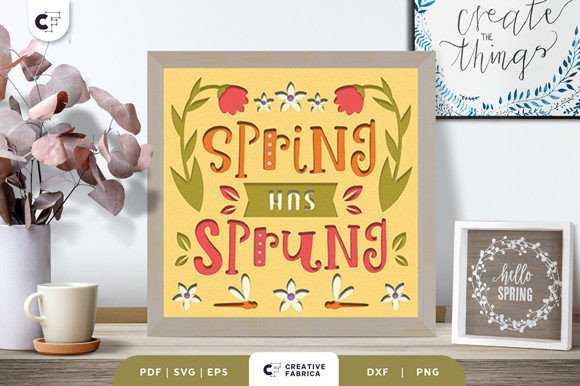
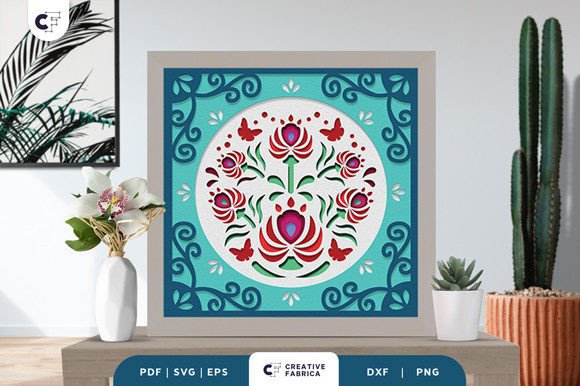
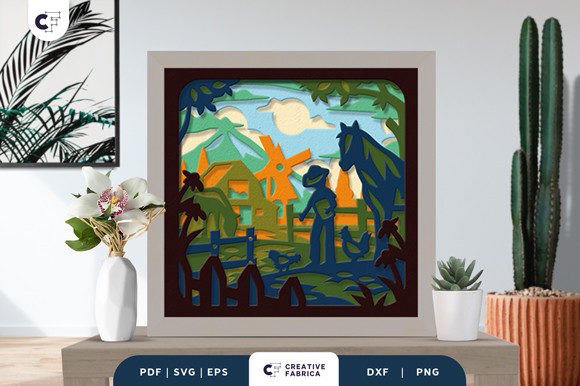
The warm spring tones served as the inspiration for this shadow box, and that mood is immediately palpable. This is not just a generic floral or animal motif; it is a scene. A beautiful piece of art was made from the useful stack of nine sheets when combined with varying depths, suggesting a narrative quality that appeals strongly to the current market trend of cottagecore and rustic farmhouse decor. For those of us running small shops or selling on Etsy, this kind of storytelling design is gold. It stops the scroll.
First Impressions and Visual Personality
The layout of the Spring Farm Village 3D Layered Paper Cut feels balanced yet intricate. From a distance, the layers create a cohesive image of a pastoral scene. Up close, you can see the intentional separation between elements, mimicking the physical layering of paper crafts. This visual personality is crucial because it dictates where the design belongs. It does not scream "sporty" or "minimalist." Instead, it whispers "heirloom," "gift," and "carefully curated."
For embroidery designers, the appeal lies in the complexity. It challenges the standard flat approach. However, complexity brings risk. The detail level is high, which means the design demands respect regarding fabric choice and stabilization. It is not a throw-it-on-a-thin-tee-and-hope-for-the-best situation. This is a design that requires intentionality.
Real-World Application: The Tote Bag Test
To truly evaluate a 3D SVG inspired design like this, I mentally placed it on several common products. My primary test case was a heavy canvas tote bag. Canvas is forgiving. It has enough body to support the weight of multiple layers without distorting. Imagine this design stitched onto a natural, unbleached cotton tote. The earthy tones of the village scene would complement the raw fabric texture beautifully. It transforms a simple utility item into a handmade product that feels boutique-ready.
I also considered it for a sweatshirt. Here, the Spring Farm Village 3D Layered Paper Cut shines as a central chest piece or a large back print. The fill stitch areas would provide a nice contrast against the fuzzy texture of fleece or French terry. However, one must be wary of the hoop size. If the design is large, ensuring the garment fits in the hoop without excessive re-hooping is vital for alignment. Misaligned layers in a multi-layered design ruin the 3D illusion instantly.
Fabric and Stabilizer Considerations
This is where practical experience matters most. Because this design relies on layering to create its effect, stitch density is a critical factor. While I do not have the exact stitch count here, visually, it appears dense. Dense designs pull on fabric. If you attempt to stitch this on a thin, stretchy jersey without proper support, you will end up with a warped, unusable finished product.
My advice is to use a cut-away stabilizer for any knit fabrics, such as t-shirts or baby clothes. For woven fabrics like linen or cotton used in aprons or pillow covers, a tear-away might suffice, but I would still recommend a lightweight fusible backing to prevent shifting. The fabric texture plays a huge role here. A smooth quilting cotton will show off the crisp edges of the "paper cut" style best. Textured fabrics like burlap or heavy wool might swallow the finer details, making the layers blend together rather than pop.
Navigating Potential Pitfalls
While the design is stunning, it is not without its challenges. Small hoop sizes are a constraint. If you are working with a 4x4 hoop, you may need to check if the design can be split or if a smaller version retains its charm. Often, shrinking complex layered designs causes the stitches to merge, losing that distinct separated look that defines the paper-cut aesthetic.
Additionally, consider the color palette. The design relies on tonal variations to show depth. If you choose thread colors that are too similar, the layers will vanish. Conversely, high contrast can look harsh. I recommend testing the design in black and white mockups first. If the layers distinguish themselves clearly in grayscale, your color choices will likely work. If it looks like a blob in black and white, you need to adjust your thread selection for better contrast.
Curved surfaces, such as caps, are tricky. The rigid nature of a layered design does not drape well over the curve of a baseball cap unless the design is significantly scaled down and simplified. For hats, I would suggest looking for a simplified version or using this design only on flat panels if available.
Commercial Value and Brand Consistency
For Etsy sellers and craft business owners, this design offers high perceived value. Customers associate intricate, multi-layered embroidery with higher price points. It signals effort and skill. Using Spring Farm Village 3D Layered Paper Cut in your lineup can elevate your brand’s perception from casual hobbyist to professional artisan.
It fits perfectly into seasonal collections. As a Seasons category item, it is versatile. It works for spring launches, Easter gifts, or even early summer rustic weddings. It is an excellent candidate for personalized gift items, such as adding a monogram in a complementary font nearby, though care must be taken not to clutter the composition.
Practical Designer Notes
Before you commit to stitching this on client goods, follow these steps:
- Test on scrap fabric: Always run a test stitch-out on the exact fabric and stabilizer combination you plan to use. Check for puckering and thread breaks.
- Check licensing: Confirm whether the digital embroidery file allows for commercial use. Most designers allow selling finished physical items, but restrictions vary on digital resale or mass production.
- Inspect small details: Zoom in on the preview. Are there tiny satin stitches that might snag? If so, consider removing or simplifying them for durability, especially for items like tote bag design prototypes that will see heavy use.
- Thread quality matters: Use high-quality rayon or polyester threads. Cheap thread can break under the tension of dense layers, ruining the project halfway through.
- Mockup presentation: When listing this as a small shop product, use high-resolution photos that highlight the texture. Close-ups of the layering help customers understand the quality they are paying for.
In conclusion, the Spring Farm Village 3D Layered Paper Cut is a sophisticated addition to any designer’s library. It requires skill and attention to detail, but the payoff is a unique, high-value embroidery project that stands out in a saturated market. Whether you are creating holiday embroidery gifts or expanding your commercial embroidery portfolio, this design offers the artistic depth needed to impress discerning buyers. Just remember: respect the density, choose your fabric wisely, and let the layers do the talking.