Rocket Launch 3D Shadow Box SVG Review
As a digital publisher who has spent years refining the visual identity of high-traffic blogs and editorial platforms, I approach every new graphic design asset with a critical eye. It is not enough for an image to simply look good; it must perform. It must hold attention in a crowded social feed, communicate brand values instantly, and integrate seamlessly into a complex web layout. Recently, I tested the Rocket Launch 3D Shadow Box SVG across several real-world publishing workflows, from newsletter headers to Pinterest pin templates. The results offered valuable insights into how layered, paper-cut style illustrations can elevate content marketing efforts when used strategically.
First Impressions: Visual Mood and Editorial Tone
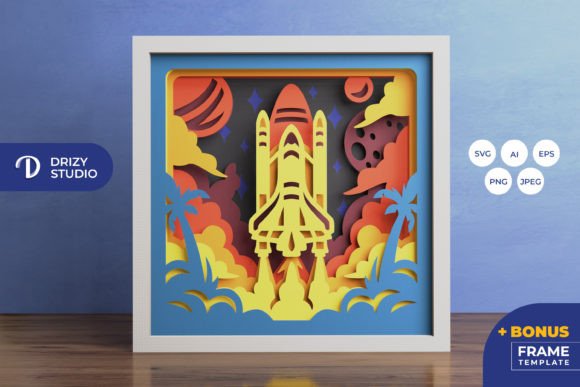
The immediate impact of the Rocket Launch 3D Shadow Box SVG is one of dynamic depth. Unlike flat vector icons that can sometimes feel sterile or generic, this asset utilizes multiple layers to create a tangible sense of dimension. This technique mimics the popular trend of physical paper crafting, bringing a tactile, handmade quality to digital spaces. For bloggers and content creators, this establishes an editorial mood that is both playful and sophisticated. It feels modern yet nostalgic, striking a balance that works exceptionally well for lifestyle brands, educational platforms, and creative entrepreneurs.
In terms of niche alignment, this design naturally supports content related to innovation, growth, startups, children’s education, and creative hobbies. The upward trajectory of the rocket suggests progress and ambition, making it a powerful visual metaphor for business growth articles or motivational content. However, because of its intricate, decorative nature, it also fits comfortably within artistic and DIY communities. It does not scream "corporate," which is a strength for independent publishers looking to humanize their brand identity.
Integrating the Asset into Publishing Workflows
The versatility of this digital download lies in its adaptability across various content formats. During my review, I implemented the template into several key areas of a standard content website. Here is how it performed in specific scenarios:
- Blog Featured Images: When placed as a hero image, the layered effect draws the eye immediately. It breaks the monotony of stock photography and provides a unique visual anchor for articles about launching new projects or exploring creative ideas.
- Pinterest Graphics: Pinterest thrives on vertical, eye-catching visuals. The square format of the shadow box template works well when centered on a tall canvas, surrounded by bold typography. The depth of the 3D effect helps the pin stand out against the flat designs that typically clutter the feed.
- Newsletter Headers: Email marketing requires visuals that load quickly but still deliver impact. As an SVG, this asset scales perfectly without pixelation, ensuring crisp rendering on retina displays. It adds a touch of professionalism to weekly digests without overwhelming the text.
- Digital Products and Lead Magnets: For creators selling eBooks, worksheets, or online courses, this asset serves as an excellent cover element. It signals quality and attention to detail, increasing the perceived value of the digital product.
Enhancing Content Performance Through Visual Hierarchy
One of the primary goals of editorial design is to guide the reader’s eye through the content. The Rocket Launch 3D Shadow Box SVG contributes significantly to this by establishing a clear visual hierarchy. The central focal point—the rocket—naturally draws attention, allowing designers to place key headlines or calls-to-action in proximity. This improves click-through potential because the viewer’s gaze is directed exactly where the publisher wants it.
Furthermore, consistent use of such distinctive design assets strengthens category recognition. If a blog uses this specific shadow box style for all posts related to "New Beginnings" or "Tech Reviews," readers begin to associate that visual language with those topics. This consistency builds trust and makes navigation more intuitive. In the context of affiliate marketing, a polished, custom graphic can make product reviews feel more curated and less like spammy advertisements, thereby improving conversion rates.
Strategic Placement and Design Considerations
While the asset is robust, it is not a one-size-fits-all solution. Understanding where it works best versus where it should be used cautiously is crucial for maintaining a professional web design standard.
Where It Shines
This 3D SVG excels in spacious layouts where it has room to breathe. It is ideal for hero sections, large article thumbnails, and dedicated social media graphics. It also works beautifully as an accent in Canva template kits for coaches and consultants who want to add a creative flair to their presentations. The layered complexity rewards larger viewing sizes, allowing the audience to appreciate the craftsmanship.
Where to Use Caution
Conversely, caution is advised when using this asset in small mobile thumbnails or busy, text-heavy layouts. The intricate details of the shadow box layers may become muddy or indistinguishable at very small sizes. Additionally, this style may clash with ultra-minimalist or strictly corporate websites that rely on stark, flat aesthetics. It is also important to avoid placing it against low-contrast backgrounds, as the subtle shadows that create the 3D effect may disappear, flattening the image and losing its intended impact.
Practical Publisher Notes for Implementation
Before integrating the Rocket Launch 3D Shadow Box SVG into your live site, I recommend a rigorous testing phase. First, preview the asset on both desktop and mobile screens. Check how it renders as a thumbnail in your blog archive page. Does it maintain its integrity, or does it look cluttered?
Typography pairing is another critical factor. Test the graphic alongside various font styles. I found that it pairs elegantly with clean sans-serif fonts for a modern look, but also holds its own against bold display fonts for a more dramatic effect. Avoid overly ornate script fonts that might compete with the detailed lines of the shadow box.
From a technical standpoint, always review file size for web performance. While SVGs are generally lightweight, ensure that any exported PNG versions for social media are properly compressed. Finally, confirm the commercial license terms. If you are using this for monetized websites, affiliate pages, or paid content products, understanding the usage rights is non-negotiable. Most assets from reputable creative marketplace vendors offer clear guidelines, but always double-check to protect your business.
In conclusion, the Rocket Launch 3D Shadow Box SVG is a potent tool for publishers seeking to enhance their small business branding. It offers a blend of artistic charm and professional structure that, when used with intention, can significantly elevate the visual appeal of your digital presence. By treating it as a strategic component of your creative design toolkit rather than just a decorative element, you can create more engaging, trustworthy, and clickable content.