Hanger Lanterns Horse Shadow Box: A Designer’s Review
As a designer who has spent countless hours digitizing and testing patterns for real-world application, I approach every new machine embroidery design with a mix of curiosity and skepticism. We have all been there: you download a stunning digital embroidery file, only to find that the stitch density is too high for a lightweight fabric or the details get lost in a small hoop. Today, I am taking a close look at the Hanger Lanterns Horse Shadow Box. While the product description highlights its potential as a paper-and-LED shadow box creation, my focus is strictly on how this aesthetic translates into thread and fabric for tangible, sellable goods.
First Impressions and Visual Mood
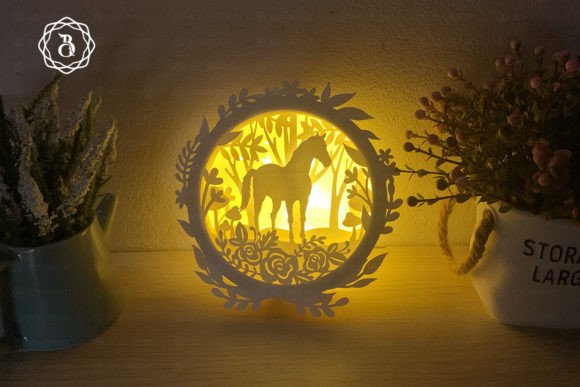
The initial visual impact of the Hanger Lanterns Horse Shadow Box is one of quiet elegance and rustic charm. The silhouette of the horse combined with the lantern motif suggests a narrative of warmth, guidance, and countryside tranquility. For an embroidery designer, this mood is invaluable. It does not scream for attention with chaotic lines; instead, it invites a closer look. The layout feels balanced, offering enough negative space to prevent the fabric from puckering while maintaining enough detail to keep the viewer engaged.
When evaluating this as a 3D SVG or embroidery asset, the key is understanding how these shapes will flatten onto textile. The lantern elements suggest vertical lines that can be beautifully rendered with satin stitches, while the horse’s form may require a combination of fill stitches for the body and running stitches for finer contours. This duality makes it versatile. It is not just a static image; it is a composition that relies on the interplay of light and shadow, even when executed in thread.
Real-World Application: From Concept to Product
Let us move beyond theory and discuss where this design actually shines in a commercial or hobbyist setting. I recently considered this motif for a custom order involving a high-end canvas tote bag. The client wanted a personalized gift that felt artisanal rather than mass-produced. The Hanger Lanterns Horse Shadow Box fit this brief perfectly. On a natural-colored cotton canvas, the design would serve as a focal point without overwhelming the utility of the bag.
Beyond tote bags, this design has significant potential for sweatshirt embroidery. Imagine this stitched on the left chest of a heavyweight crewneck in a muted earth tone, like olive green or charcoal. The lantern aspect allows for creative thread color choices—perhaps a gradient of golds and yellows to mimic light, contrasting with a deep brown or black for the horse. This kind of thoughtful execution elevates a basic garment into a boutique-quality item. For Etsy sellers and small shop product creators, this versatility is crucial. It allows you to offer the same design across multiple product lines, from aprons to pillow covers, maximizing the value of your design assets.
Considerations for Baby and Nursery Items
For those specializing in baby embroidery, this design offers a gentle, soothing aesthetic suitable for nursery decor. However, caution is required. If adapting this for a baby blanket or onesie, you must evaluate the stitch density. Babies have sensitive skin, and dense fill stitches can feel stiff or scratchy. I recommend using a softer rayon thread and ensuring that the back of the stitching is neatly trimmed and covered with a soft backing. The lantern motif could be simplified slightly to reduce bulk, making it safer and more comfortable for infant items.
Technical Challenges and Fabric Compatibility
No design is universal, and the Hanger Lanterns Horse Shadow Box is no exception. There are specific scenarios where you need to proceed with care. First, consider the hoop size. If you are working with a 4x4 inch hoop, you may need to scale down the design significantly. When shrinking intricate designs, fine details like the lantern’s handle or the horse’s mane can merge together, creating a blob of thread rather than a clear image. Always test a scaled-down version on scrap fabric before committing to the final piece.
Fabric texture plays a massive role in the outcome. This design relies on clean lines to convey the shadow box effect. On highly textured fabrics like terry cloth or heavy wool, the definition may be lost. Conversely, on very thin or stretchy fabrics like jersey knits, the weight of the embroidery can cause distortion. In these cases, using the correct stabilizer is non-negotiable. A cut-away stabilizer is often best for garments that will be washed frequently, providing long-term support to the stitches.
Another critical area is curved surfaces, such as caps. Embroidering a complex scene like this on a baseball cap requires precise positioning. The lantern’s vertical lines must align correctly with the cap’s panels to avoid visual warping. If you are new to cap embroidery, I suggest practicing with simpler geometric shapes before attempting this full-scene design.
Enhancing Visual Appeal and Brand Value
Why choose this specific design? Because it builds trust. When customers see a well-executed, thematic design like the Hanger Lanterns Horse Shadow Box, they perceive higher value. It signals that the creator cares about aesthetics and storytelling. For commercial embroidery projects, this translates to higher price points and better customer retention. A generic horse clipart might sell, but a curated, atmospheric scene creates an emotional connection.
To maximize this effect, pay attention to thread colors. Do not just pick "brown" for the horse. Look at the reference image or the original Shadow Boxes concept. Use dark chocolate for shadows and lighter tan for highlights. This depth mimics the 3D effect of the original paper craft, bringing a flat embroidery project to life. Testing your design in black and white mockups can also help you verify that the contrast is sufficient for the design to be readable from a distance.
Practical Notes for the Embroidery Designer
Before you load this embroidery file into your machine, take these practical steps to ensure success:
- Test on Scrap Fabric: Always run a test stitch-out on the same type of fabric you intend to use for the final product. This reveals issues with tension and density.
- Check Stitch Density: If the design feels too stiff after stitching, consider reducing the density in your editing software or adding more underlay stitches to support the top threads without adding bulk.
- Verify Licensing: Ensure you understand the license terms. Can you sell finished products? Can you use it for digital previews? Clarify this before listing items on your store.
- Inspect Small Details: Zoom in on the lantern elements. Are the running stitches too long? Adjust them to prevent looping or snagging during wear and washing.
- Contrast Check: Ensure your thread colors contrast sufficiently with the fabric. A dark horse on navy blue will disappear. Opt for cream, gold, or light gray threads on dark backgrounds for visibility.
In conclusion, the Hanger Lanterns Horse Shadow Box is a compelling addition to any designer’s library. It bridges the gap between decorative art and functional textile design. Whether you are creating a holiday embroidery piece for a winter market or a year-round staple for your craft business, this design offers the flexibility and visual appeal needed to stand out. By respecting the technical requirements of fabric and stitch, you can transform this digital asset into a cherished finished product that resonates with buyers and reflects your professional craftsmanship.