Reviewing the Mandala Paper Cut Lightbox Template
As a designer who has spent years digitizing and testing patterns for both personal joy and commercial viability, I approach every new machine embroidery design with a critical eye. We are all familiar with the trend of paper cut art—those intricate, layered silhouettes that play with light and shadow to create depth. The Mandala Paper Cut Lightbox Template attempts to translate this delicate aesthetic into thread. But does it hold up under the needle? Is it merely a pretty picture, or is it a functional asset for your craft business? I recently evaluated this file to determine its place in a professional workflow, specifically looking at how it performs on real fabrics rather than just digital mockups.
First Impressions: Visual Mood and Layout
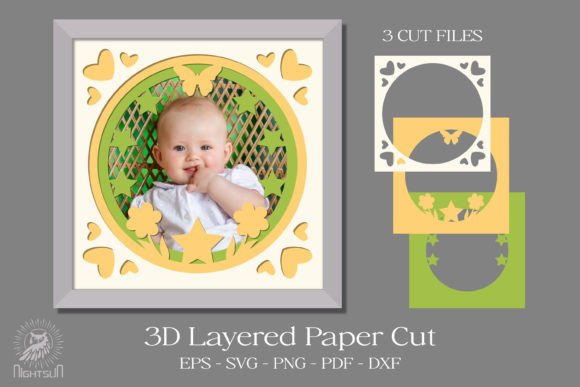
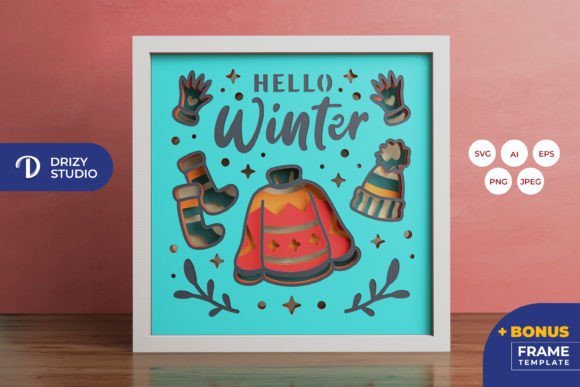
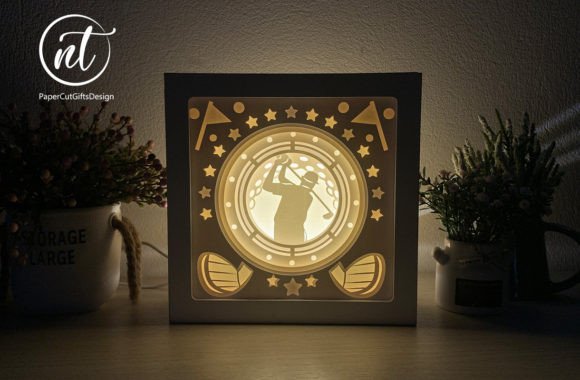
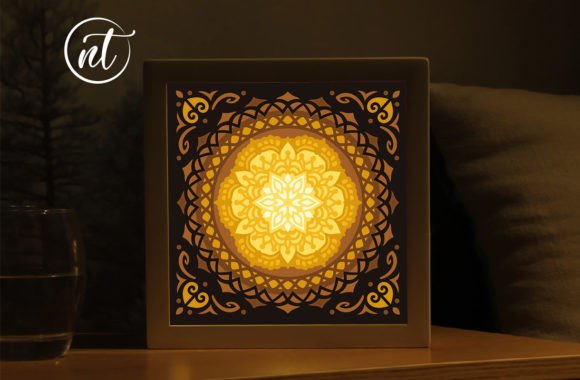
The first thing that strikes you about the Mandala Paper Cut Lightbox Template is its symmetry. Mandalas are inherently balancing, offering a sense of calm that translates well into home decor and personalized gifts. The layout mimics the concentric rings of a traditional paper lightbox, where each layer sits slightly apart from the next. In a physical lightbox, this distance is created by foam board; in embroidery, we must achieve this illusion through stitch placement and color contrast.
The visual personality here is elegant and somewhat spiritual, making it a strong candidate for holiday embroidery projects, wedding gifts, or nursery decor. However, the complexity is high. The design relies heavily on fine lines to simulate the edges of cut paper. For an Etsy seller or small shop owner, this means the design demands precision. It is not a "quick and dirty" fill; it requires thoughtful execution to ensure the intricate details do not collapse into a messy blob of thread.
Real-World Application: From Digital File to Finished Product
To truly test the versatility of this embroidery file, I considered several common applications. Let’s look at a specific scenario: creating a custom tote bag design for a boutique client. Tote bags are typically made of canvas or heavy cotton, which provides a stable base. When stitched onto this fabric, the mandala’s radial symmetry creates a stunning focal point. The fill stitch areas, if dense enough, can mimic the solid shadows of the paper layers, while the open spaces allow the fabric texture to show through, enhancing the 3D effect.
Another viable option is sweatshirt embroidery. Here, the softness of fleece or French terry contrasts beautifully with the structured geometry of the mandala. However, this introduces challenges. Stretchy fabrics require robust stabilization. If you are using this as a digital embroidery file for a custom apparel line, you must advise customers—or yourself—to use a cut-away stabilizer to prevent puckering. The design’s integrity depends on the fabric remaining flat during and after stitching.
I also evaluated its potential for baby embroidery items, such as muslin swaddles or onesies. While the aesthetic is gentle, the stitch density might be too high for delicate baby skin. In this case, I would recommend scaling the design down significantly or using it as an applique design where a separate piece of fabric provides the bulk of the coverage, reducing the amount of direct stitching on the garment.
Navigating Challenges: Where Caution is Required
While the Mandala Paper Cut Lightbox Template is visually striking, it is not without its pitfalls. The primary concern is stitch density. Designs that attempt to replicate the sharp edges of paper cuts often utilize tight satin stitches or dense fills. On curved surfaces, such as caps or hats, this can lead to distortion. The tension required to keep the threads tight may pull the fabric, causing the mandala to warp. For headwear, I would suggest simplifying the inner rings or using a pre-made embroidered patch instead of direct-to-garment stitching.
Furthermore, consider the hoop size. Intricate mandalas often require larger hoops to maintain their proportion. If you are working with a standard 4x4 inch hoop, you may need to crop the design, which could disrupt the symmetry. Always check the dimensions provided with the 3D SVG or embroidery file to ensure it fits your intended project without losing key details. Small details, particularly the thin lines separating the "layers," can easily break or become lost if the needle size is too large or the thread tension is off.
Fabric choice is equally critical. On dark fabrics, the contrast between thread colors becomes paramount. A low-contrast palette might render the design invisible from a distance. Conversely, on textured fabrics like linen or tweed, the fine details of the mandala might get lost in the weave. I recommend testing the design on scrap fabric first, ideally in both light and dark variations, to gauge visibility and clarity.
Enhancing Brand Value and Customer Trust
For commercial embroidery professionals, the quality of your design assets directly impacts your brand consistency. A well-executed mandala signals attention to detail and craftsmanship. When customers see a clean, crisp finished product with no loose threads or puckering, their trust in your small shop product increases. This design, when handled correctly, elevates the perceived value of items like pillow covers, tea towels, and wall art.
Using this template for printable mockup creation can also boost your online presence. High-quality images of the design on various products can help Etsy sellers visualize the end result for their buyers. However, remember that a mockup is only as good as the actual stitch-out. Ensure that your thread colors in the mockup match what is realistically achievable with standard embroidery threads to avoid customer disappointment.
Practical Designer Notes for Success
Before committing to a full production run or a high-stakes gift, follow these practical steps:
- Test on Scrap Fabric: Always stitch out a test sample on the same type of fabric you plan to use for the final item. This reveals issues with tension, density, and registration.
- Check Stabilizer Compatibility: Use a stabilizer that matches the fabric weight. Heavy fabrics may need less support, while knits require substantial stabilization to prevent stretching.
- Review Stitch Density: If the design feels too stiff after stitching, consider reducing the density in your editing software, if possible, or choosing a lighter weight thread.
- Confirm Licensing: Before selling items made with the Mandala Paper Cut Lightbox Template, verify the license terms. Ensure you have the right to use the design assets for commercial purposes.
- Inspect Small Details: Zoom in on the digital file to check for tiny, isolated stitches that might cause thread breaks. Clean up any unnecessary jump stitches if your machine allows.
In conclusion, the Mandala Paper Cut Lightbox Template is a sophisticated addition to any designer’s library, particularly for those specializing in Shadow Boxes inspired decor or intricate home goods. It requires skill and patience to execute well, but the payoff is a unique, high-value handmade product that stands out in a crowded market. By respecting the technical demands of the design and choosing the right materials, you can transform this digital file into a tangible work of art that resonates with customers and enhances your creative portfolio.