Reviewing Flowers Folk Art 3D Paper Cut SVG
As a designer who has spent years digitizing and stitching thousands of patterns, I approach every new machine embroidery design with a mix of curiosity and skepticism. We have all been there: you download a file that looks stunning on the screen, only to find it puckers the fabric or loses its charm once the needle hits the cloth. Recently, I had the chance to evaluate the Flowers Folk Art 3D Paper Cut SVG. While technically categorized under Seasons and labeled as a 3D SVG, my focus was strictly on how this layered aesthetic translates into tangible, high-quality embroidery work for real-world applications.
First Impressions and Visual Personality
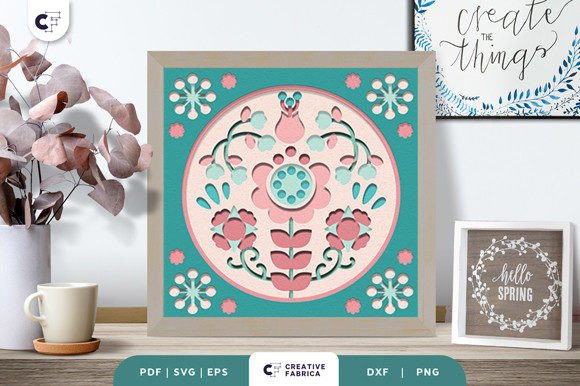
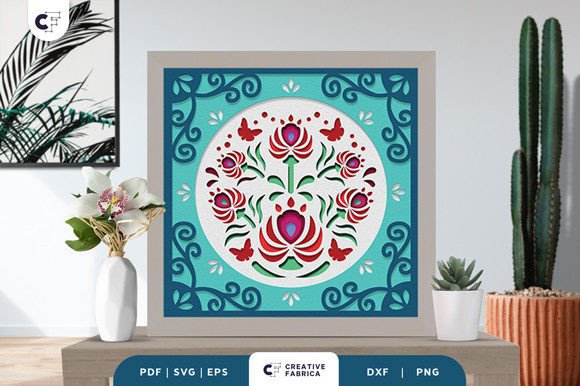
The immediate appeal of the Flowers Folk Art 3D Paper Cut SVG lies in its structural depth. The description notes a nine-layer design, which is significant. In paper crafting, layers create shadow and dimension; in embroidery, they translate to varied stitch types and densities. My first impression was that this is not a simple fill-stitch flower. It possesses a distinct folk-art vibe—whimsical, organic, and slightly rustic. This visual personality makes it versatile. It does not scream "modern minimalist," nor does it feel overly traditional. It sits comfortably in that sweet spot where handmade warmth meets contemporary design trends.
For an embroidery designer, the layout is crucial. The layers appear well-placed, avoiding the chaotic overlap that often plagues multi-layered designs. This suggests that when stitched out, the design will maintain clarity rather than becoming a dense blob of thread. The mood it creates is undeniably spring-like, evoking feelings of renewal and gentle growth, which is perfect for seasonal collections.
Real-World Application: The Custom Tote Bag Test
To truly understand the value of any embroidery file, you must imagine it on a finished product. I visualized this design on a heavy canvas tote bag, a staple for any Etsy seller or craft business. The folk-art style complements the natural texture of canvas beautifully. Imagine using earthy thread colors—sage greens, muted terracottas, and soft creams. The nine layers would allow for a gradient effect, mimicking the look of cut paper shadows through varying thread tones.
This is where the design shines as a tote bag design. It is large enough to be a focal point but detailed enough to reward close inspection. For a small shop product, this level of detail signals quality. Customers often equate complex-looking designs with higher value. If you are creating personalized gifts or boutique merchandise, this design offers the visual weight needed to justify a premium price point. It transforms a basic bag into a piece of wearable art.
Beyond Bags: Apparel and Home Decor
The versatility extends to custom apparel. I can see this working exceptionally well on a linen apron or a structured sweatshirt. For sweatshirt embroidery, the key is managing the stretch. Since this is a layered design, ensuring the stabilizer is robust is non-negotiable. On a lighter note, this could also serve as charming baby embroidery on a onesie, provided you scale it down appropriately and use softer, pastel thread colors. The folk-art motif is gender-neutral and timeless, making it a safe yet stylish choice for nursery items or baby showers.
In home decor, think pillow covers or kitchen towels. A holiday embroidery project for Easter or Mother’s Day would benefit greatly from this spring-themed artwork. It adds a touch of handmade authenticity that mass-produced prints simply cannot replicate.
Technical Considerations and Stitching Clarity
Let us talk about the mechanics. A nine-layer design implies a significant amount of stitching. While I do not have the exact stitch count here, experienced makers know that layering increases run time and thread usage. You must check the stitch density before committing to a large production run. If the density is too high, you risk perforating delicate fabrics. If it is too low, the underlying fabric might show through, breaking the illusion of the 3D paper-cut effect.
The interplay of stitch types is critical. I anticipate a mix of satin stitch for the bold outlines and fill stitch for the broader petal areas, possibly with running stitch accents to define the layers. This combination enhances the visual appeal and ensures the design holds its shape. However, you must test this on scrap fabric first. Check how the threads lay against each other. Does the top layer sit cleanly over the bottom one? Or do they tangle? These are the details that separate a professional finished product from an amateur attempt.
Where to Use Caution
No design is universal. There are specific scenarios where the Flowers Folk Art 3D Paper Cut SVG requires careful handling. First, avoid using this on highly textured fabrics like thick wool or loose-weave linen without a strong cut-away stabilizer. The intricate layers may get lost in the fabric’s texture. Second, be cautious with stretchy knits. Without proper hooping and stabilization, the layered structure can cause the fabric to pucker, ruining the clean lines of the folk-art style.
Also, consider the hoop size. If you are working with a small hoop, you may need to resize the design. Shrinking a multi-layered design can cause stitches to merge, losing the definition between the nine layers. Always inspect small details after a test stitch. If the corners look bulky or the tiny elements bunch up, the design is too small for that particular fabric and thread combination.
Enhancing Brand Consistency and Customer Trust
For commercial embroidery professionals and digital product sellers, consistency is key. Using a cohesive design language helps build brand recognition. The folk-art aesthetic of this SVG fits well with brands that emphasize sustainability, handmade quality, and natural materials. When customers see a well-executed, layered design, it builds trust. It shows that you care about the details. This directly impacts buyer engagement and can lead to repeat customers who appreciate the craftsmanship.
Furthermore, creating printable mockups or digital previews using this design can boost your online presence. High-quality images of the embroidered result can serve as powerful marketing assets for your design assets portfolio or Etsy listings.
Practical Designer Notes for Best Results
- Test on Scrap Fabric: Always run a test stitch on the same fabric type you plan to use for the final product. This helps you adjust tension and density.
- Check Thread Color Contrast: The 3D effect relies on subtle shifts in color. Choose thread colors that have enough contrast to distinguish the layers but still harmonize.
- Review Stabilizer Choice: For layered designs, a medium-weight cut-away stabilizer is often best to support the stitch count without adding excessive bulk.
- Confirm Hoop Size: Ensure your hoop can accommodate the full design without resizing it to a point where detail is lost.
- Inspect Licensing: Before selling finished items or using this in commercial projects, confirm the license terms. Ensure you have the right to use the digital embroidery file for commercial purposes.
- Mockup in Black and White: Convert your design preview to black and white to check for contrast and clarity issues that color might hide.
In conclusion, the Flowers Folk Art 3D Paper Cut SVG is a compelling addition to any designer’s library. It offers a unique blend of folk charm and modern layering techniques. When used thoughtfully, with attention to fabric choice and stabilization, it can elevate a simple embroidery project into a standout piece. Whether you are creating a personalized gift, stocking your small shop product line, or designing for a client, this design provides the artistic depth needed to make a lasting impression. Just remember to respect the technical demands of its layered structure, and it will reward you with beautiful, professional results.